
Your gut does much more than digest food. It plays an important role in your immune system, energy levels, and even your mood. A healthy gut is home to trillions of bacteria that help break down food, produce important nutrients, and support your overall health.
But you don’t need expensive supplements or complicated meal plans to take care of your gut. Many everyday foods naturally support a healthy gut microbiome and are easy to include in your daily routine. Here are some of the best foods to add to your plate and have helped me notice a positive difference in my digestion and overall gut health.
Yogurt
Yogurt is one of the most well-known gut-friendly foods because it naturally contains live bacteria, often called probiotics. These beneficial bacteria can help support the balance of your gut microbiome, especially when eaten regularly.
Not every yogurt contains live cultures, though. Look for products that mention “live and active cultures” on the label and try to choose plain yogurt without added sugar whenever possible. You can always sweeten it yourself with fresh fruit or a drizzle of honey.
Greek yogurt is another great option because it is higher in protein while still providing beneficial bacteria.
Kefir
If yogurt is good for your gut, kefir takes it one step further. This fermented milk drink usually contains a greater variety of beneficial bacteria and yeasts than regular yogurt.
Some studies suggest that the diversity of microorganisms in kefir may help support digestive health and contribute to a balanced gut microbiome.
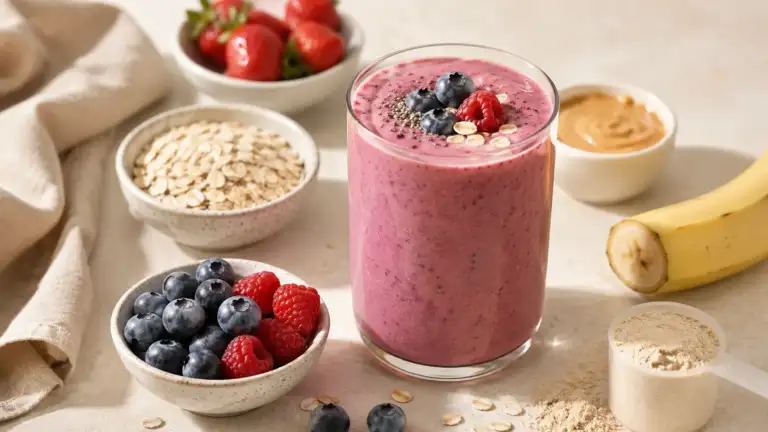
Although the slightly tangy taste isn’t for everyone at first, many people enjoy it blended into smoothies with berries and bananas.
Oats
Oats don’t contain probiotics, but they feed the healthy bacteria already living in your gut.
They are rich in beta-glucan, a type of soluble fiber that acts as a prebiotic. Prebiotics are food for your beneficial gut bacteria. When these bacteria ferment fiber, they produce short-chain fatty acids, which help support the cells lining your colon.
Starting your morning with oatmeal is one of the easiest ways to increase your daily fiber intake.
Bananas
Bananas are gentle on the digestive system and contain natural fibers that support gut health.
Slightly green bananas are especially rich in resistant starch, a type of carbohydrate that isn’t digested in the small intestine. Instead, it reaches the large intestine where it feeds beneficial bacteria.
Ripe bananas still provide fiber while also being easy to digest, making them a great everyday snack.
Berries
Blueberries, raspberries, strawberries, and blackberries are packed with fiber and natural plant compounds called polyphenols.
Researchers believe these polyphenols may help beneficial bacteria grow while reducing the growth of less desirable bacteria. Combined with their high fiber content, berries are an excellent choice for supporting overall gut health.
They also add natural sweetness to yogurt, oatmeal, or smoothies.
Leafy greens
Spinach, kale, arugula, and other leafy greens provide fiber along with vitamins and minerals that support overall health.
Some research suggests that leafy greens contain unique natural sugars that may encourage the growth of beneficial gut bacteria.
They’re also incredibly versatile and can easily be added to salads, wraps, sandwiches, or smoothies.
Beans and lentils
Beans, chickpeas, and lentils are some of the richest natural sources of dietary fiber.
The fiber they contain helps nourish beneficial gut bacteria and supports regular digestion. They also provide plant protein, making them an excellent addition to balanced meals.
If you’re not used to eating legumes, increase your intake gradually to allow your digestive system to adjust.
Garlic
Garlic is often known for its immune-supporting properties, but it also benefits your gut.
It naturally contains inulin, a prebiotic fiber that feeds healthy gut bacteria. Even small amounts of garlic added to everyday cooking can contribute to your overall fiber intake.
Raw garlic contains the highest amount of beneficial compounds, but cooked garlic still offers many health benefits.
Onions
Like garlic, onions are naturally rich in prebiotic fibers.
These fibers help nourish beneficial bacteria in the gut, supporting a healthy and diverse microbiome over time.
Red, white, and yellow onions all provide similar benefits and can easily be added to soups, salads, pasta dishes, or roasted vegetables.
Sauerkraut
Sauerkraut is made by fermenting cabbage, creating naturally occurring beneficial bacteria.
When choosing sauerkraut, look for refrigerated versions that haven’t been pasteurized, as heat treatment destroys many of the live bacteria.
Besides probiotics, sauerkraut is also a good source of fiber and vitamin C.
Nuts and seeds
Almonds, walnuts, chia seeds, and flaxseeds all contribute to gut health through their fiber content.
Flaxseeds and chia seeds are particularly high in soluble fiber, which supports healthy digestion and feeds beneficial gut bacteria.
Adding a handful of nuts or a spoonful of seeds to yogurt or oatmeal is an easy daily habit.
Extra virgin olive oil
Extra virgin olive oil is one of the key components of the Mediterranean diet.
Emerging research suggests that its natural polyphenols may positively influence the gut microbiome while also supporting heart health.
Use it as a salad dressing or drizzle it over roasted vegetables for an easy nutrition boost.
Foods that can make a difference over time
Supporting your gut isn’t about eating one “superfood.” Instead, it’s the combination of fiber-rich plants, fermented foods, and a varied diet that helps create a healthy gut microbiome.
Small habits often have the biggest impact:
- Eat a variety of fruits and vegetables each week.
- Include fiber-rich foods in most meals.
- Add fermented foods like yogurt or kefir regularly.
- Stay hydrated throughout the day.
- Increase fiber gradually if you’re not used to eating much of it.
Remember that everyone’s digestive system is different. If you experience ongoing digestive problems, persistent pain, or severe symptoms, it’s always best to speak with a qualified healthcare professional.
Thank’s for reading!